
Groundbreaking research may transform nerve repair surgery

Upper extremity nerve injuries due to trauma present a major challenge in emergency and orthopedic care. Peripheral nerves regrow slowly, about one inch per month. Recovery after conventional repair surgery can take 12 to 18 months or longer, depending on the distance from the injury to the muscle. In many cases, patients don’t regain full sensation and muscle strength, leaving them with permanent functional problems.
WellSpan Health is one of seven sites for a clinical trial evaluating polyethylene glycol (PEG) fusion in upper extremity peripheral nerve injury repair.
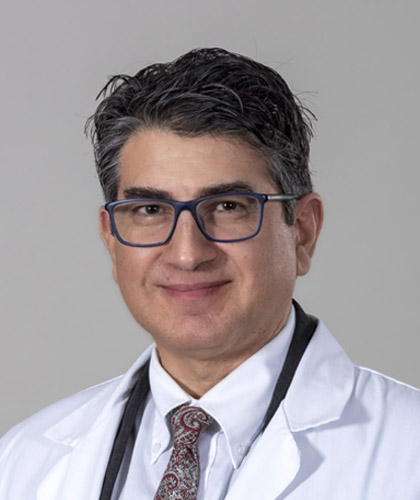
Richard Trevino II, MD,
“We’re examining how PEG may help severed nerves fuse together more completely and improve sensation, muscle strength and overall function,” says Richard Trevino II, MD, a fellowship-trained orthopedic surgeon and one of the trial’s site investigators.
“We’ve found that it’s a groundbreaking technology that could transform the way we repair nerves.” Dr. Trevino has been involved in PEG fusion research since 2010 and notably participated in the safety research that paved the way for this exciting clinical trial.
The trial is for patients who need an autograft for a nerve injury with cut ends that can’t be directly connected. Patients are then randomly assigned to either conventional repair or repair with PEG fusion.
How PEG fusion works
First, surgeons harvest a nerve segment from elsewhere in the arm for the autograft. Next, surgeons carefully trim the cut nerve ends and stitch them tightly together. Then, they briefly soak the newly connected nerves in the PEG solution, which immediately fuses the nerve fibers. A calcium solution then seals the fusion, creating a stable repair that supports both immediate function and continued healing.
“PEG fusion allows patients to rapidly regain some function within about six to eight weeks,” explains Dr. Trevino. “The nerve will also keep growing in the traditional way, so sensation and muscle strength will continue to improve over time.”
Promising preliminary results in the clinical trial
Early results from the trial have been encouraging. With conventional nerve repair, patients might regain only partial sensation and muscle strength after a long recovery. With PEG fusion, patients are experiencing noticeable improvements in both measures — and faster than with conventional nerve repair.
Research that transforms care for local patients
Dr. Trevino and his colleague Jovito Angeles, MD, perform PEG fusion procedures at WellSpan York Hospital, where trauma patients with qualifying nerve injuries may enroll in the study.
The PEG fusion trial is one of more than 130 active clinical trials at WellSpan Health.
“Research like the PEG fusion trial brings next-generation treatment options to the communities we serve,” says Dr. Trevino. “It’s one more way we’re working to improve recovery for our orthopedic patients who have complex injuries — today and in the future.”