
Narrative medicine for patients in chronic pain: 4 tips

A 2018 study made headlines after finding that patients get to voice their health concerns for only 11 seconds before their clinician interrupts them. A finding that got less attention but shouldn’t have: Clinicians ask about their patients’ concerns only 36% of the time.
Narrative medicine charts a different path. Clinicians use close listening and narrative examples to deepen communication and raise the quality of care.
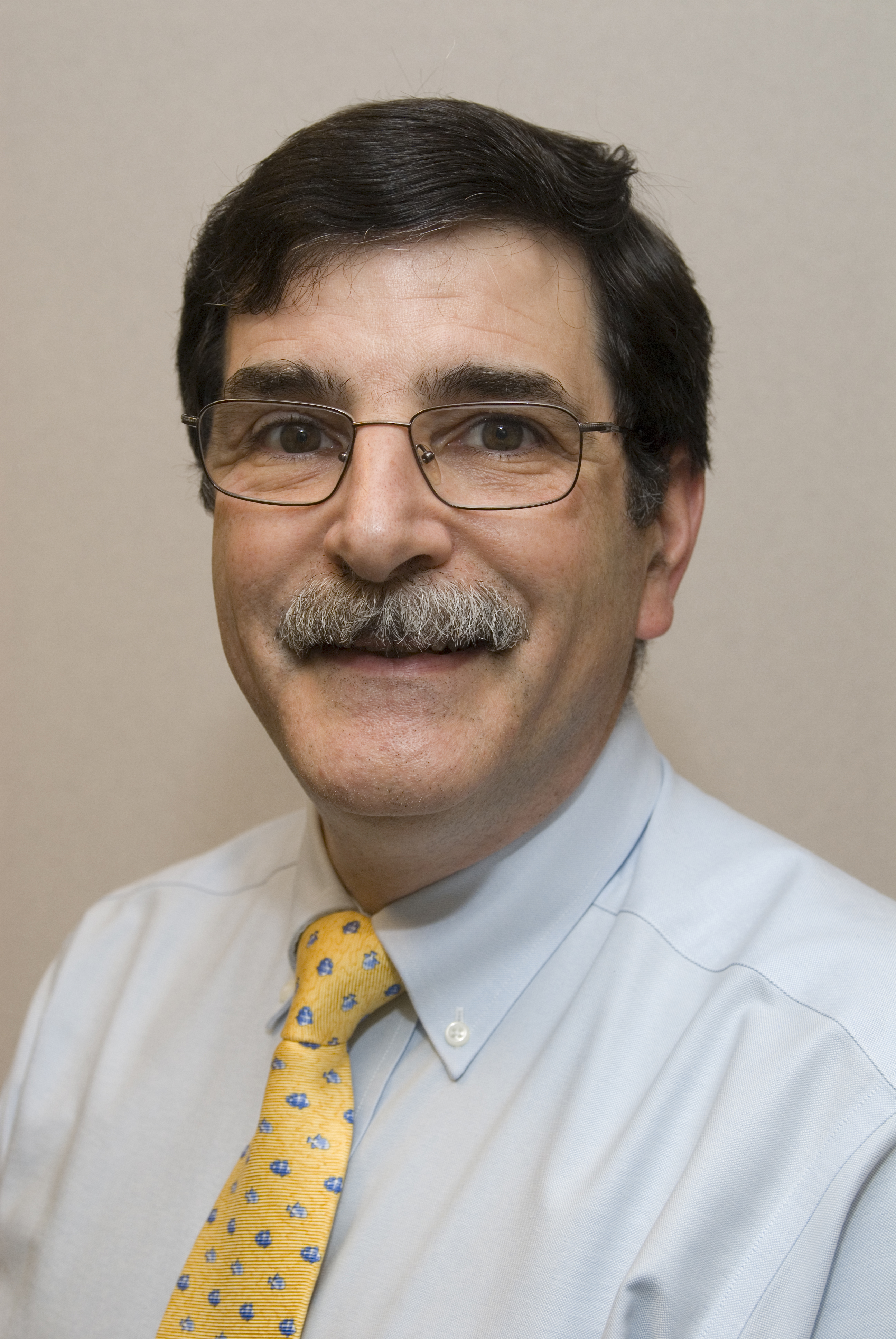
Andre Lijoi, MD
This approach can be especially helpful in caring for patients with chronic pain.
“Chronic pain dominates how people view their lives,” says Sergey Borodianski, MD, director of the Restorative Pain Program at WellSpan Health. “Understanding their story is integral to helping them start a new chapter.”
Time with patients may always be limited, but it needn’t be rushed. Physicians can practice four aspects of narrative medicine to make that time more productive, effective and meaningful:
- Ask open-ended questions to understand the patient’s story
- Help patients articulate specific goals for care and quality of life
- Use books and other stories to help them advance their own narrative
- Look for signs that their story involves more than what’s being said
1. Ask and listen
The primary narrative in narrative medicine is the patient’s story. It’s important for clinicians to hear this story in the patient’s own words for two reasons:
- So the patient has agency in the encounter.
- So the clinicians can listen and observe with an open mind.
In practice:
Andre Lijoi, MD, a family medicine physician at WellSpan York Hospital, poses the same five questions to almost every patient:
- What is most important?
- What worries you the most?
- What is going on right now?
- What can you do?
- What else?
He adapted them from principles he learned in the Certification of Professional Achievement in Narrative Medicine program at Columbia University. These five questions enable patients to summarize their health concerns and put them in context quickly and simply.
Most important in this process — if clinicians dare to allow it — is silence.
“If you wait and let the patient speak, you won’t believe what they will tell you,” Dr. Lijoi says.
2. Articulate specific goals
Everyone in chronic pain wants the same thing: to feel better.
“But wanting less pain doesn’t work. Because you’re always thinking about the pain,” says Dr. Borodianski.
Patients make more progress when they focus on why they want to feel better. What do they want to do that feels impossible right now?
Walking around the block, returning to the gym, road tripping to see the grandkids — these are measurable goals patients can work toward. They’re also inspiring: Achieving them means changing the narrative they’re living with right now.
In practice:
Dr. Borodianski uses a metaphorical story to help patients identify goals.
“I tell them to imagine the clinic is a car with unlimited gas. Where do they want to go?” he explains.
Patients usually respond with somewhere vague, like the beach. Dr. Borodianski asks them to get more specific. Florida. It’s a big state. Where in Florida? Miami. Where in Miami? Miami Beach.
The time they spend walking through this scenario becomes a reference point later, when Dr. Borodianski asks about treatment goals.
“If they say, ‘I want my back to stop hurting,’ I say, ‘That’s like going to Florida. We need Miami Beach.’ And it clicks for them.’”
3. Use books and other outside stories
Dr. Borodianski and Dr. Lijoi give reading and writing assignments to many patients. This works best over repeated appointments, so clinicians can follow up on what a patient reads or writes.
In practice:
For his chronic pain patients, Dr. Borodianski often recommends “The Way Out,” the seminal work on pain reprocessing therapy by Alan Gordon. “Man’s Search for Meaning,” the Holocaust memoir by Viktor Frankl, is another frequent title.
In family medicine, Dr. Lijoi shares all manner of expressive art, from poems and essays to paintings and songs. His office is full of printouts and bookmarked pages he thinks might inspire healing, comfort or growth in patients.
“I’m always looking for beautiful things,” he says.
4. Look for more to the story
“The patient is always telling their story, whether they realize it or not,” Dr. Borodianski says.
Look for persistent topics, particular word choice and nonverbal cues like body language that might indicate unspoken feelings or meaning worth exploring.
In practice:
Dr. Borodianski had one recent patient who knew someone in childhood who died in an accident. The two weren’t close friends, but the patient mentioned multiple times how tragic it was.
Eventually, Dr. Borodianski asked why the loss affected the patient so much. If they weren’t close, why did the event keep coming up?
“The patient realized this person was one of her only classmates who hadn’t bullied her,” he says. “She felt guilty that she could never say thank you.”
That revelation opened new pathways for conversation and enabled the patient to begin letting go of something she was powerless to change.
“Releasing emotional pain is often critical for shedding physical pain,” Dr. Borodianski says.
Experience and explore narrative medicine for yourself in a Ground Rounds session hosted by Dr. Lijoi. Sessions available monthly. Contact Joanne Myers (jmyers53@wellspan.org) to sign up, or email Dr. Lijoi (alijoi@yorkhospital.edu) to learn more.