
How genetic testing caught a young man’s silent colon cancer

He was 39 and healthy, a busy husband and father with no real reason to see a doctor. He had no obvious symptoms, no alarming family history, and no idea that cancer was already growing in his colon. Then a patient portal message invited him to join The Gene Health Project at WellSpan Health. He signed up. That decision likely saved his life.
The case shows how genetic screening can be more than a test result. It can uncover hidden cancer risk, which prompts screening years earlier and guides treatment decisions that change a patient’s future.
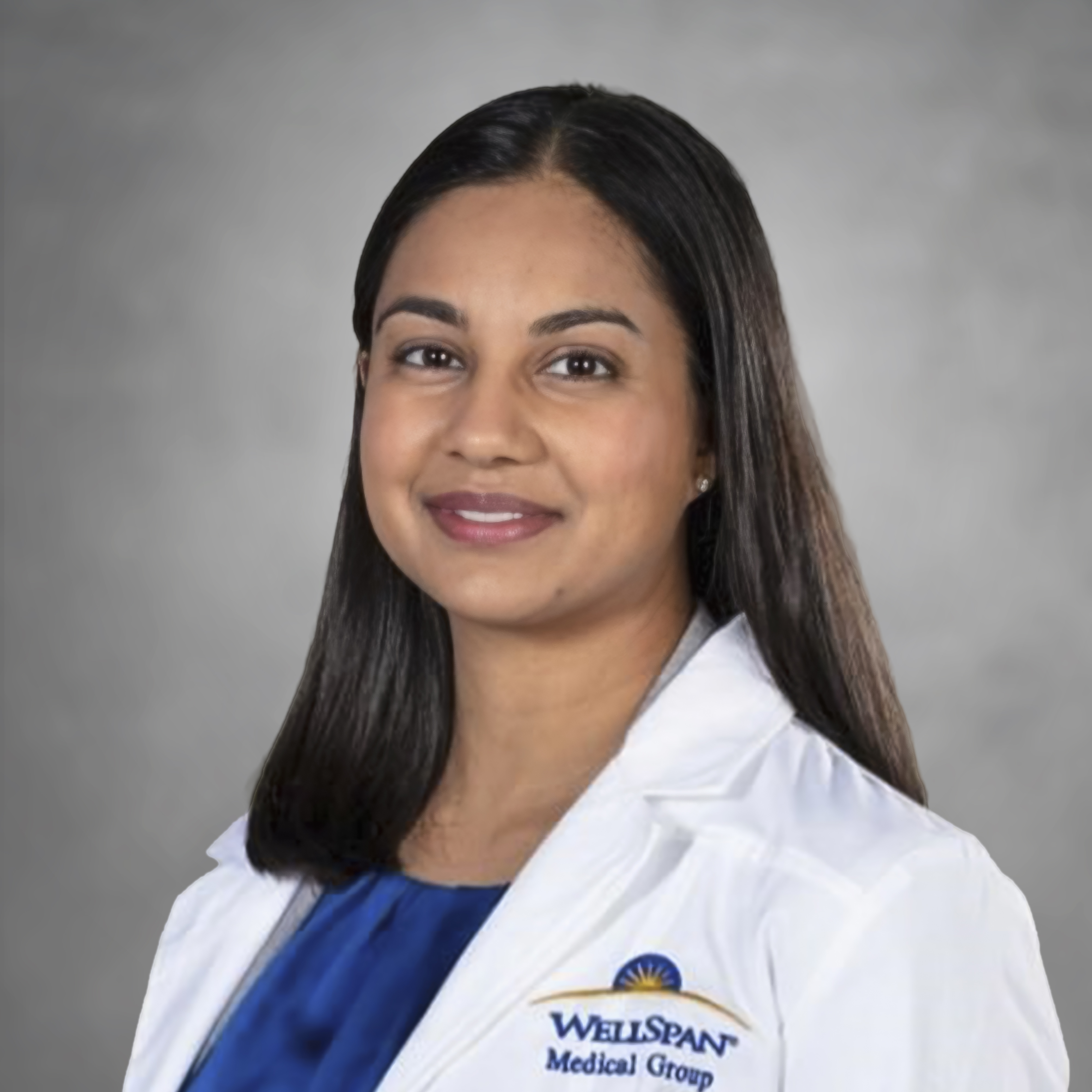
Puja Shah Berry, MD
How genetic screening found hidden risk
The Gene Health Project is a research project that provides participants with no-cost genetic testing for three CDC Tier 1 hereditary conditions, including Lynch syndrome. This patient's sample came back positive for a disease-causing variant in the MSH2 gene — one of several genes associated with Lynch syndrome. The result gave his care team a clearer picture of his cancer risk and pointed to the need for earlier colonoscopy.
"Colon cancer risk in an average person is about 4%, whereas this patient’s risk jumped to anywhere from 30% to 50% because of the MSH2 variant," says Puja Shah Berry, MD, colon and rectal surgeon at WellSpan Health.
After the positive result, a genetic counselor walked the patient through his risks and referred him to appropriate specialists. A few months later, he had his first colonoscopy and it revealed an early colon cancer. He'd had no blood in his stool, no weight loss, no change in his bowel habits. Looking back, the only quiet clue was fatigue that he'd chalked up to working-dad life. “I thought I had just gotten out of shape,” the patient says. “It never occurred to me that the fatigue could be related to cancer.” Lab work later showed that he also had anemia.
His family history wouldn't have flagged him either. "He did have family members with cancers, but they didn't line up with Lynch syndrome," Dr. Berry says. With no first-degree relatives with colon cancer, he had no reason to screen early — average-risk screening guidelines recommend colonoscopy starting at age 45.
In his case, genetic screening found the risk signal before symptoms, family history or age-based guidelines pointed to a problem.
A surgical plan shaped by Lynch syndrome
The cancer was caught at stage 1 with no spread to lymph nodes or beyond, so surgery alone could be curative. But knowing the patient had Lynch syndrome changed the operation that Dr. Berry recommended.
She proposed two options: remove the cancerous segment of the colon or remove the entire colon. The smaller operation is standard for an average patient. But this patient was young, and his lifetime risk of a second, separate colon cancer was around 40%. A new cancer could grow even between frequent colonoscopies.
He chose a total colectomy, which Dr. Berry performed robotically through a few small incisions. "By removing his entire colon, we dramatically reduced his risk of another colon cancer: from about 45% down to 6%," Dr. Berry says.
For Dr. Berry, the outcome was about more than reducing a percentage. “To know that we changed this family’s life for the better is indescribable,” she says.
The patient went home after two days, thanks to the advanced minimally invasive surgical approach and a streamlined care plan focused on reducing complications and promoting faster postoperative recovery. One practical note: Some patients have more frequent or looser bowel movements afterward, roughly three to five a day. This patient has about two a day and says it hasn't greatly affected his life.
“I’m able to exercise again and spend time with my family, and I feel healthier than I have in years,” the patient says. “Catching the cancer early — and having successful surgery — gave me confidence about managing my health going forward.”
What referring physicians can take from this case
The patient is now cancer-free, but Lynch syndrome will continue to shape his care. Because his rectum remains, he’ll continue receiving regular proctoscopy, upper endoscopy and urologic and dermatologic evaluations for other Lynch-associated cancer risks, typically every one to two years.
His genetic results live in his medical record so his care team can tailor recommendations to his risk, as Dr. Berry did. For referring physicians and advanced practice professionals, the genetic counselor’s note is the key document. “It spells out what screenings need to happen and when, helping PCPs make sure patients get the specialty follow-up they need,” Dr. Berry says.
Physicians should consider referring patients to The Gene Health Project when they have a strong family history of cancer. But this case also shows why family history isn’t enough to identify every patient at risk. For some participants, genetic testing through the research project may uncover an inherited risk that traditional warning signs would likely have missed.
The project is open to anyone 18 and older, providing another opportunity to identify patients who may benefit from earlier screening for CDC Tier 1 hereditary conditions. "If we can identify people before they develop cancers that are no longer curable, what a win to help this community live better," Dr. Berry says.
Because Lynch syndrome is inherited, one patient’s result can help relatives understand whether they may also be at risk. When his children are older, they can choose genetic testing to learn whether they inherited the MSH2 variant and may need earlier or more intensive cancer screening.
Her takeaway for referring physicians is simple. "Early identification is key. It can save a life and extend it — and potentially save lives for generations to come.”
For answers to your and your patients’ questions, please call 717-356-5395
or email GeneHealthProject@WellSpan.org.